[067] Divinely Inspired — and Deliberately Vague
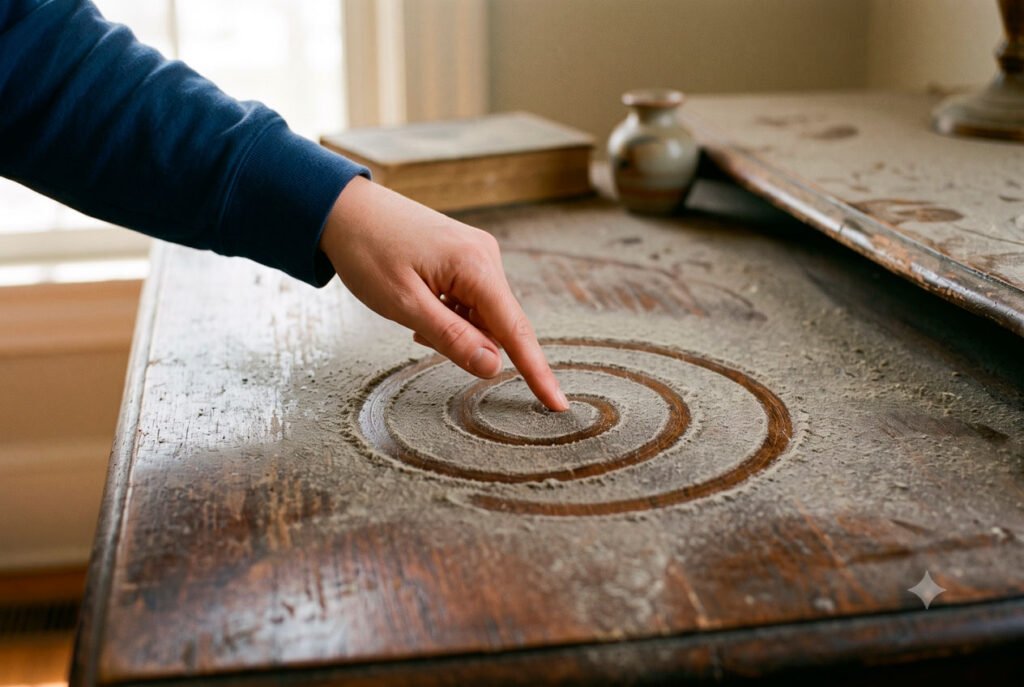
After a family gathering where a cousin reflected his own wisdom back to him, Max goes looking for a cleaner definition — turning to the Hebrew wisdom texts, the book of James, and the Sermon on the Mount. What he finds is instructive: even the most celebrated wisdom literature in human history prefers to circle, contrast, and illustrate rather than define. Maybe wisdom can’t be downloaded. Maybe it has to be lived into.
[064] Beyond Optimism: A Third Act Credo

I’ll be honest with you — this one came from a place I don’t always write from. A place of genuine uncertainty, and something that might be called frayed faith in the world I thought I understood. A long conversation with a trusted friend cracked it open. What emerged surprised me. I hope it lands somewhere useful for you.
[063] The Book in You

I watched the musical Pippin this week at Washington’s Signature Theater and found myself unexpectedly ambushed by one of the oldest questions in human experience: what does a life of meaning actually look like — and how do you know when you’ve found it? This issue continues our series on Connection, Meaning, and Legacy through the lens of one young prince’s exhausting, grace-filled, utterly relatable search for his corner of the sky. Proust shows up, as he tends to, with something uncomfortably true to say.
[060] When the Writing Discovers Something the Writer Didn’t Know

Writing is discovery. Over the past few weeks, the process itself kept revealing layers about unity, community, and wisdom transmission that I hadn’t seen before. These insights changed something fundamental—and now I’m revisiting the three deepest aspirations of our generation through a completely different lens. Connection, Meaning, Legacy—reconsidered.
[059] Hangry in Devon: How My Friends Caught Me When I Broke Unity
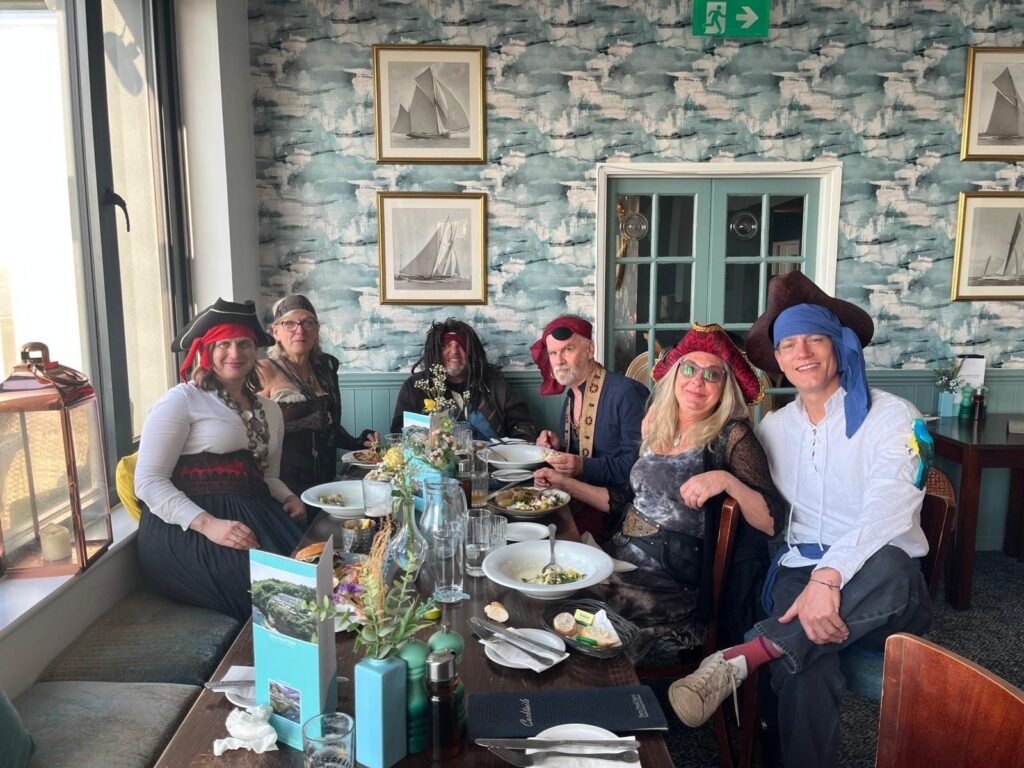
Last week, I wrote beautifully about unity. About water brothers. About recognizing we’re not separate. Then I spent a week in Devon with friends and spectacularly failed at all of it. The lesson? Unity isn’t sustained by individuals who never fail—it’s sustained by communities who catch each other when they do.
[058] What Mystics Across All Traditions See About Unity (And Why It Matters for Wisdom Keepers)

Across vastly different traditions—Christian contemplatives, Buddhist masters, Hindu sages, Sufi poets, even modern physicists—there emerges an identical vision: we are not separate. Not abstract philosophy—the practical truth that makes wisdom transmission possible.
[055] The Good: When the Meaning Changes, Everything Changes
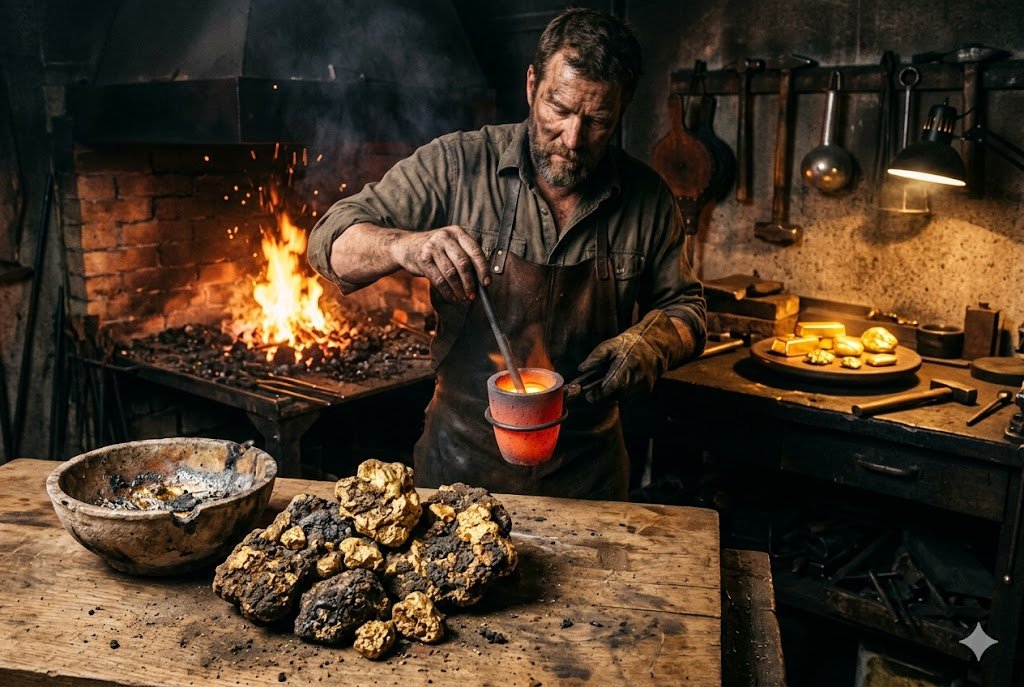
Not every interpretation is equally useful. Not every meaning is equally true. And not every lesson is worth passing on. This week, discover why integration isn’t just about understanding yourself—it’s about refining your experiences into wisdom worth transmitting. From raw ore to gold: the work of extracting meaning on behalf of those who come after you.
[054] What Is “True” About Your Life?
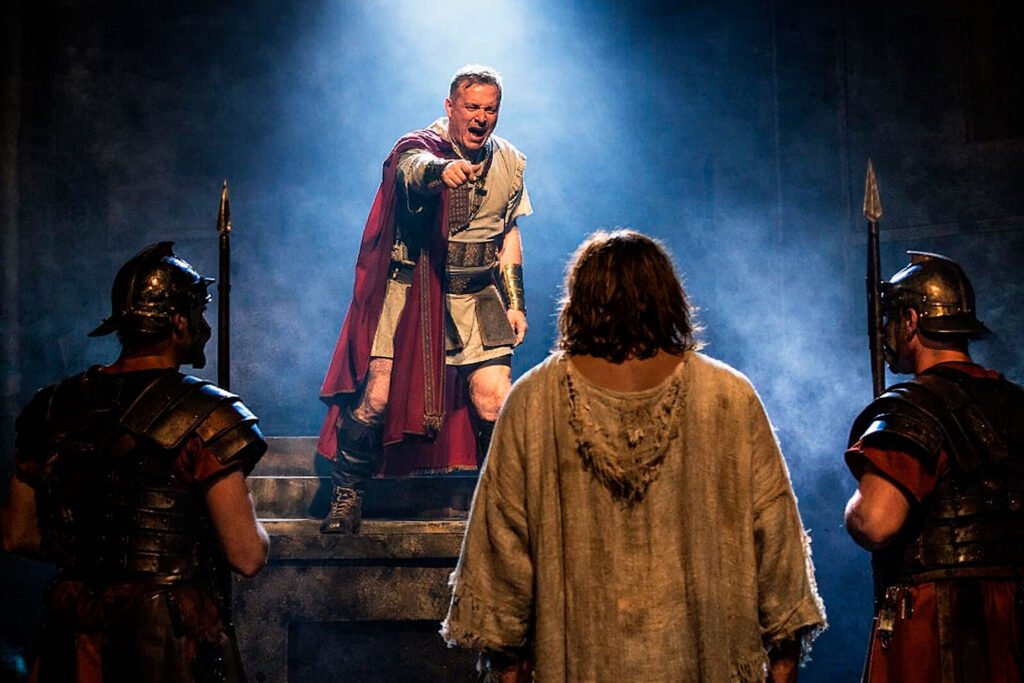
At fourteen, I encountered the same question in two very different places: What is truth? Decades later, I see how rarely we ask it about our own lives. In this issue, we begin a three-part exploration of The True, The Good, and The Beautiful—starting with the discipline of seeing clearly before we interpret.
[053] The moment the entire camp went quiet
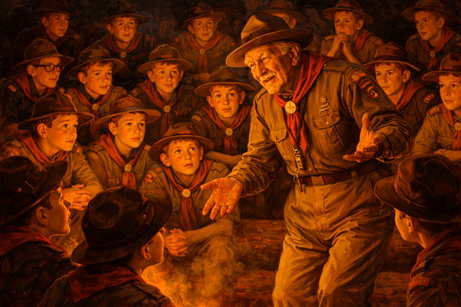
Every healthy culture once had moments when those who had lived longer passed forward what life had taught them. Not as lectures, but as stories. This is the ancient work of the Elder—and it may be the role our culture needs most today. Discover why Year Two of The Wisdom Wayfinder is all about transmission: turning your life experiences into someone else’s map.
[052] Integration: Revealing the Pattern of Your Life

Most of us formed the meaning of our defining experiences decades ago — shaped by youth, fear, and wounds we hadn’t yet had the distance to understand. Integration is the practice of going back. Not to relitigate the past, but to ask whether the story you’ve been telling yourself is the only story available. This week, drawing on Erik Erikson’s final reckoning and one word that surfaced on a quiet morning, Max explores how the pattern of an entire life can shift — and why that shift is where wisdom actually lives.