
[049] Your Permission Slip: Three More Lessons on Finding Your True Voice
Most people don’t lose their voice. They trade it away — for approval, for belonging, for the comfort of sounding reasonable. In the second of this two-part series, Max shares three more lessons from applying his ghostwriting strategies to his own writing: why your speaking voice is the fastest shortcut, why voice and tone are not the same thing, and why the final gate to your authentic voice is risk. Plus — a permission slip for anyone who’s been waiting for one.
[048] Subtract to Find Your True Voice

Most writing advice tells you what to add. This week, discover what happens when you start subtracting instead—removing the borrowed phrases, the politeness, the explanations that flatten your authentic voice. Includes a raw, unedited demonstration of what real voice sounds like when you stop trying to sound impressive.
[047] Finding Your Voice (It’s Already There)

You don’t find your authentic voice by adding something new. You find it by removing everything that isn’t yours—the hedging, the explaining, the permission-seeking inherited from decades of “professionalism.”
[046] Finding My Voice by Losing It First

For 20 years, I helped others find their voice. Then I started writing my own story and discovered I’d forgotten how to stop hiding. Here’s what 46 weeks of self-examination revealed.
[045] The Most Important Thing Wisdom Keepers Can Do Right Now

What an extraordinary time to be alive! Pause and notice what arises in your mind from reading that statement. Crisis? Innovation? Both? In this essay, I explore why wisdom keepers have a vital role to play in these unprecedented times—and it’s not what you might think.
[044] The Finish-Line Fallacy

The Wall Street Journal just named the retirement crisis everyone’s missing: the loss of mattering. While Western culture treats retirement as a finish line, you can reclaim your role as wisdom keeper—starting today. No cultural revolution required, just a shift in how you show up.
[043] The Wisdom He Didn’t Know He Was Teaching Me

A tribute to a pastor who embodied wisdom without ego, and what his memorial service taught me about the essential—and the expandable—work of becoming an ancestor to future generations.
[042] You Can’t Make Him Drink: What a Scout Camp Taught Me About Teaching Anyone Anything
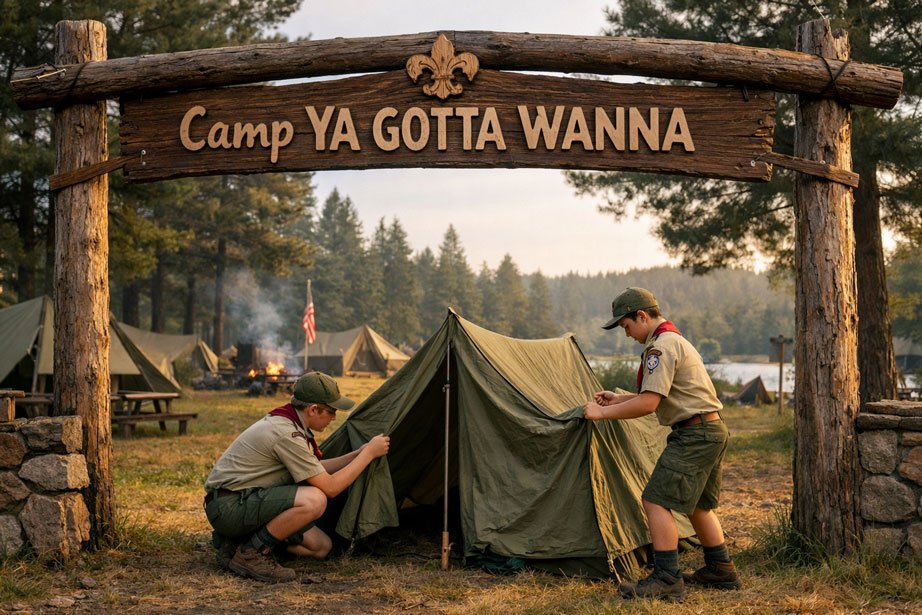
You can’t force learning—only create the conditions where someone desperately wants it. A Scout camp lesson from my mentor Rusty that transformed how I teach.
[041] Five Stages of Becoming: The Books That Rewired My Year
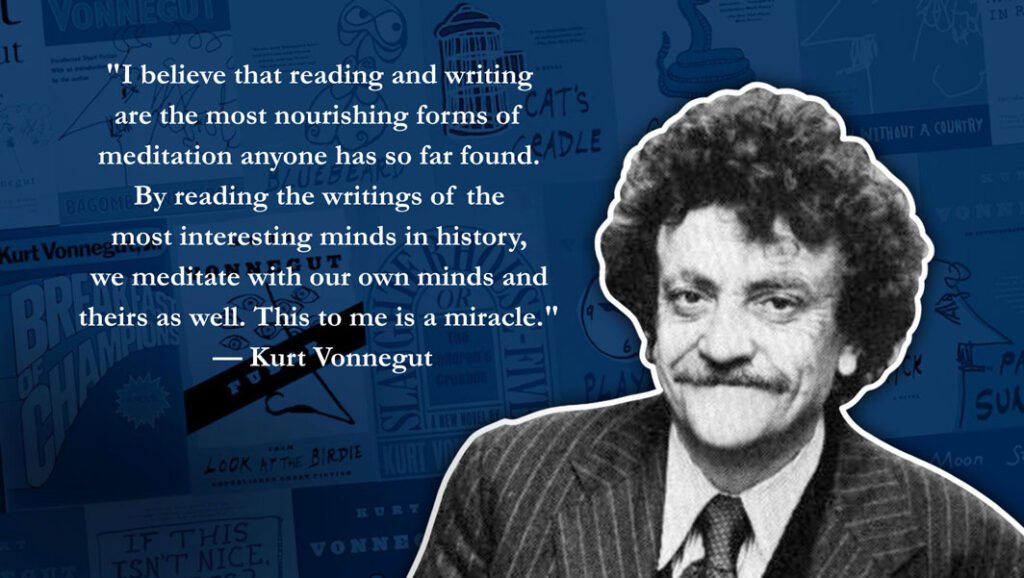
A curated reading list for your Third Act: books on consciousness, aging, mindset, creativity, and focus that became one unexpected journey toward authentic living.
[040] The Books I Actually Finish (And Why That Matters)
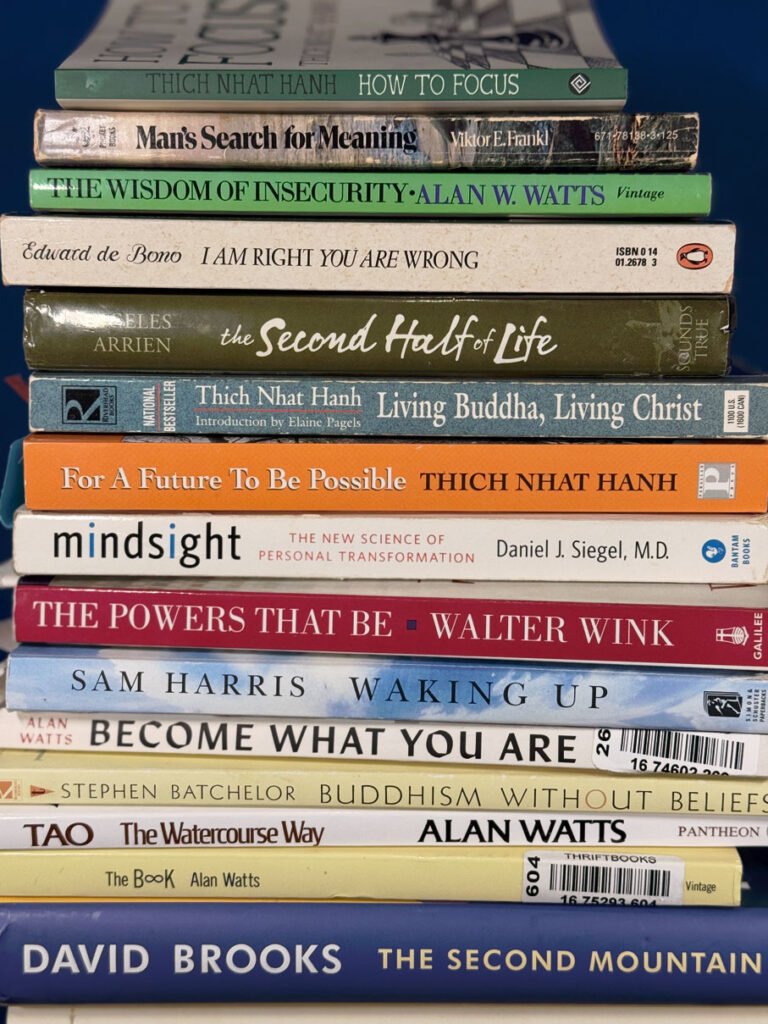
After questioning my book-buying compulsion, I discovered a telling pattern in what I actually finish reading—and it changed how I’ll choose books going forward.