Story #029
Alignment: Finding Common Ground Without Agreement

Max J Miller
Last week’s piece on authenticity struck a nerve with some readers who felt I discouraged speaking up against injustice. Let me be clear: I unequivocally support civil action and speaking truth to power. My focus was on interpersonal relationships—how we relate to friends and neighbors.
I stand by my characterization of the breakdown of our civility as a sibling rivalry because, as with childhood sibling spats, I see little use in trying to convince and convert our neighbors without first connecting with them.
When my sister was raising her three boys, I was fascinated with the ebbs and flows of their emotional energy: volcanic anger one moment and giddy playfulness the next. When tempers raged between them, I noticed one factor was always at play: somebody felt misunderstood, ignored, or disrespected.
Another pattern caught my attention. An argument between the boys was just about to erupt into a fight, and suddenly the energy would shift to some creative pursuit. The instigation may have come in the form of a challenge from their mother to rearrange the furniture for a party or the sudden arrival of a package.
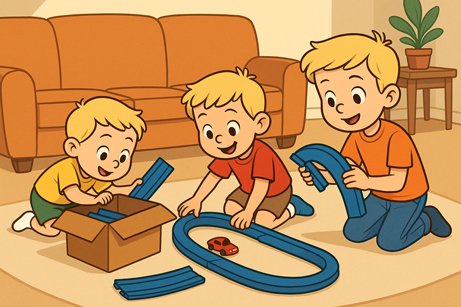
How did they pivot on a dime from battle preparations to teamwork?
What I uncovered, observing my nephews, may hold a key to unlocking our cultural strife, especially on an interpersonal level.
In the midst of disagreement, my nephews discovered alignment.
Most of what I see today in our culture revolves around agreement and disagreement. Within our identity groups, we find agreement. Across the gulf that stands between the groups, we find disagreement.
It seems obvious that the only way out of an impasse of disagreement is for one side to convert the other to their point of view.
The problem isn’t that we fail to convert the other side. Perhaps the problem is that we think we should convert them.
We could move forward if we seek alignment rather than agreement.
Agreement seeks a shared point of view, opinion, belief, or judgment. Alignment seeks common aspirations, values, experiences, and challenges.
Agreement seeks uniformity of thought. Alignment seeks congruence.
Agreement seeks position. Alignment seeks progress.
Agreement calls for closure. Alignment seeks an opening.
Agreement seeks resolution. Alignment seeks relationship.
The touchstones of alignment are the same elements that make a story compelling: aspirations and challenges. People with differing viewpoints, beliefs, and even cultures can find alignment when acknowledging common aspirations and challenges.
Think about it: two neighbors might fiercely disagree about policy solutions, but both desperately want their children to grow up safe and full of hope. Both worry about the future. Both feel unheard. That’s alignment—and it’s where real conversation can begin.
The most significant advantage of alignment over agreement is the opening it makes for creativity. The greatest periods of creativity have occurred at the confluence of different cultures.
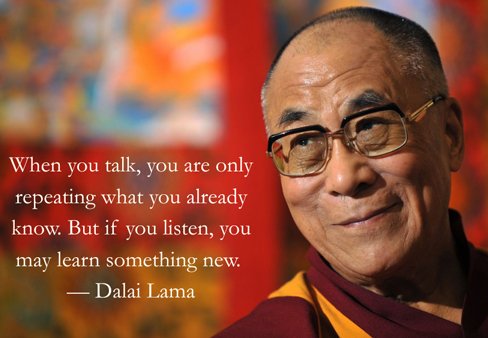
This path of alignment isn’t easy, and it requires something harder than winning an argument: it requires genuine curiosity about another person’s aspirations and struggles.
But here’s what I know from seven decades of living: the relationships that have enriched my life most weren’t built on agreement. They were built on the willingness to see and honor each other’s humanity.
Mastering alignment is a worthy aspiration for thriving in our third act. It’s a skill worth cultivating for those aspiring to be peacemakers and legacy builders. And it starts with one conversation—one moment when we resist the urge to correct and instead ask, “What do you hope for? What keeps you up at night?”
The answer might surprise us. We might be hoping for the same things, just walking different paths to get there.
In my third act, I’m choosing alignment over being right. I’m choosing bridges over barricades. Not because it’s easier, but because it’s the only path I can see toward the legacy I want to leave. This is the work ahead—not to have all the answers, but to ask better questions. Not to win the argument, but to build the bridge.
Shine,

Subscribe to the Newsletter
Join Max J Miller Blog and receive new online content directly in your inbox.
Recommended for Your Journey
Discover more inspiring reads that support your journey toward growth, purpose, and emotional well-being.

[035] Standing Outside the Window: When Spiritual Love Turns Hollow
- Max J Miller
[009] – Redemption in a Story
- Max J Miller
[040] The Books I Actually Finish (And Why That Matters)
- Max J Miller

[019] – Are You Hiding Your Superpowers Behind a Mask?
- Max J Miller

[016] – Unretire Your Soul
- Max J Miller
[048] Subtract to Find Your True Voice
- Max J Miller