Story #019
Are You Hiding Your Superpowers Behind a Mask?
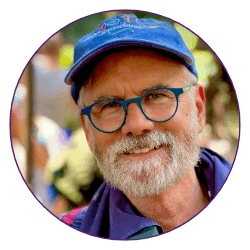
Max J Miller

Undocumented Features: A User’s Guide to the ogOS (Old Geezer Operating System)
In the software world, developers often shrug and call it a bug when a program doesn’t work quite as expected. But when that glitch turns out to be strangely useful—or at least not worth fixing—it gets rebranded as an “undocumented feature.”
This got me thinking: Maybe the so-called bugs of aging are just undocumented features in disguise.
Take, for instance, my new relationship with stairs. Once upon a time, I bounded up flights two at a time like a caffeinated gazelle. These days, I approach them with the strategic foresight of a mountain climber checking weather conditions.
The bug? Slower pace. The undocumented feature? I actually notice the world around me. A shaft of afternoon light through the window. The photograph I walked past a hundred times. The sound of my own breath reminds me: I’m alive.

ChatGPT got the hairline right but missed a finger.
Or consider my brain. Once a high-speed processor with sixteen tabs open and music playing in the background. Now? Let’s just say there’s more buffering. Names take longer to download. I enter rooms with great purpose, then stand there wondering if I’ve been hacked.
But here’s the upside: my slower brain triggers fewer agitating pop-ups. I don’t snap to judgment the way I used to. I don’t rush to solve problems that aren’t mine to solve. I find myself more present, more patient, less programmed, more human.
Could it be that what we call “decline” is actually a shift in interface? That aging isn’t a system failure but a software upgrade… designed for a different task?
Youth is optimized for speed and ambition. It runs hot, burns fast. But this later stage? It’s optimized for reflection, connection, meaning. It trades reaction time for perspective. It doesn’t hustle—it listens.
Yes, the cursor may blink a little longer before the next idea appears. But sometimes, in that pause, wisdom shows up.
So next time you forget what you walked into the kitchen for, give yourself a chuckle and a high-five. You’re not malfunctioning. You’re running Version 3.0—the Wisdom Edition—complete with new features like Appreciating Silence, Letting Go of Small Stuff, and Enjoying a Sunset Without Needing to Post About It.
Sure, the manual didn’t warn us about creaky joints or surprise eyebrow hairs. But hidden in the code of aging are quiet superpowers. They’re just not advertised.
After all, they’re undocumented.
And maybe… that’s the point.

Hiding in Plain Sight
Hello. My name is Max, and my pronouns are invisible, inconspicuous, and transparent.
It’s a ridiculous introduction, but it’s also the most honest thing I can tell you about myself. I’ve become something of a professional hide-and-seek champion over the years, except I’m spectacularly bad at the seeking part. I just keep finding new and creative ways to hide.

Wardrobe by Wayfair
From my start as a nine-year-old ventriloquist to my recent work as a ghostwriter, I’ve spent my life crafting words and performances from the shadows while others bask in the glaring heat of a spotlight. I gave them voices and self-expression, and they gave me something precious in return: impunity from judgment and sweet, sweet freedom from crippling self-consciousness.
Picture this: nine-year-old me, with sweaty palms and shaky legs, throwing my voice into a wooden dummy named Leroy who is more than half my size. The audience—mostly bemused neighbors and my patient mother—would laugh and applaud, but their praise was directed at Leroy, not me. Perfect. I’d found my superpower: making people feel something while remaining completely invisible.
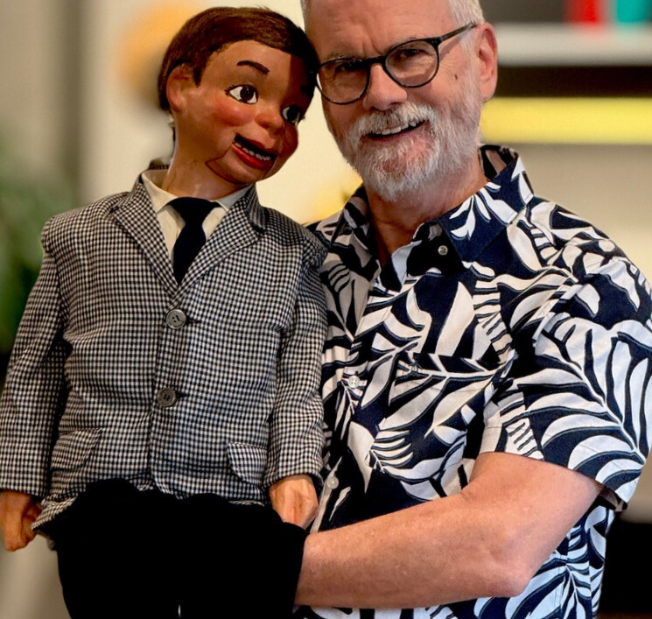
Who’s the dummy?
Those who have only recently met me are often surprised by this self-characterization.
“You’re not shy,” they insist. “You seem so confident.”
“I’ve learned how to project confidence,” I explain, “from many years and thousands of performances in storytelling street theater” (see Issue 006), “but to this day, the butterflies still appear on cue whenever I step on a stage.”
The fact that I spent a decade as an actor between my careers in ventriloquism and theme park design makes it even harder for people to understand my reticence to be seen. But here’s what most people don’t grasp about actors: we’re not all extroverts and attention seekers. Acting offers the same safety net as ventriloquism and ghostwriting—we get to hide behind a character.
I remember standing backstage at a tiny theater in my High School, waiting for my entrance as Jack, the Artful Dodger, in “Oliver.” My hands were shaking and my mouth was dry, but the terror evaporated when I stepped into that spotlight and spoke my first line. It wasn’t Max up there, sweating under the lights. It was Jack. And if the audience hated the performance, they were booing Dodger, not me.
The Greeks understood this perfectly. Their term for actor was hypokrites, meaning “one behind a mask.” It’s where our word hypocrite comes from. (By the way, ‘hypocrite’ was Jesus’s favorite epithet, and with good reason—he knew something about the gap between our public faces and private truths.)
Years ago, I was up way too late, probably eating cereal from the box in my underwear, when I caught Johnny Carson interviewing Paul Lynde. They discussed how liberating it is to play a character because if the show flops, the character takes the fall, not the performer. I nearly choked on my Cheerios. Here were two masters of entertainment, admitting they needed the same protective armor I’d been wearing since I was nine.
And there’s the crux of the matter: we desperately want to have an impact—make people laugh, think, or take action—but (and this is a big but, and I cannot lie) we’re terrified of judgment, criticism, and rejection.
Through meditation and mindfulness practice, I’m learning that somewhere inside me lives a seven-year-old boy who’s absolutely convinced that being truly seen equals certain death. He’s got wild hair that sticks up in the back, grass stains on his knees, and eyes wide with the primal fear that comes from believing that one harsh word from a bully might make him disappear forever. This little guy has appointed himself my personal bodyguard, and he takes his job very seriously.
I’m learning to process my fear reaction quicker now: turn toward that frightened child and whisper, “Hey buddy, it’s safe to play. We won’t die if someone doesn’t like what we create.”
That inner work isn’t just self-help fluff. It’s survival. What’s really at stake here is my self-expression, my authentic voice, and the song I came here to sing. I’m not willing to leave the stage of life having spent the whole performance hiding behind the curtain.
“Retirement” and “old age” are beautiful excuses to hide out, too. But what a shame to withhold our gifts and love from the world when it needs us the most.
The beautiful irony is that in learning to be seen, I’m discovering that my pronouns might not be invisible after all. They might just be… human.
How visible are you willing to be?
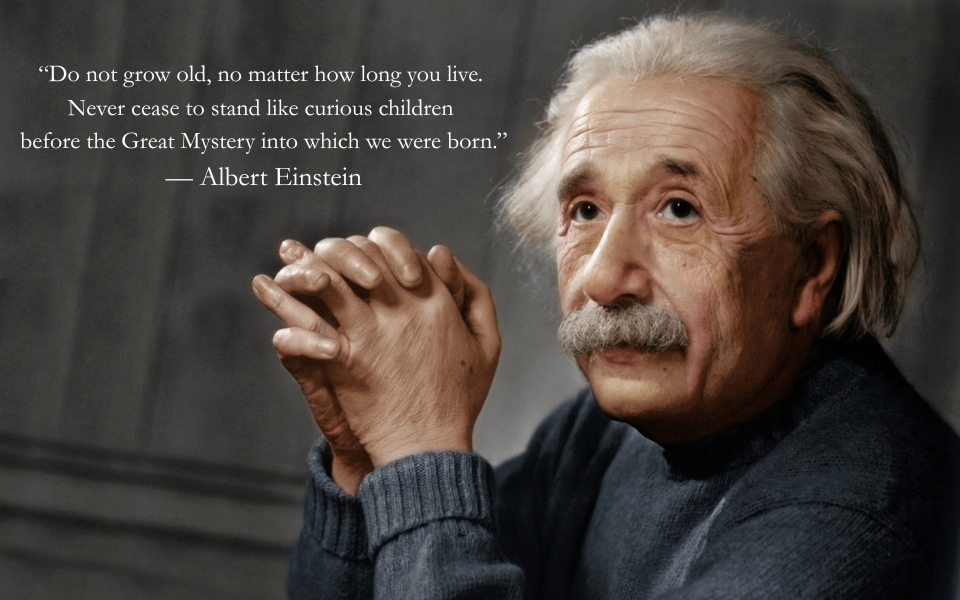

We’ve all met that guy—the one who rolls his eyes before you finish your sentence, who calls everything “naïve,” “overrated,” or “a trainwreck,” and seems to consider enthusiasm a character flaw.
He’s not just smart. He’s smarter than everyone. Or so he thinks.
We are not what we know but what we are willing to learn.
– Mary Catherine Bateson
There’s a widespread cultural myth that the quickest way to sound intelligent is to be critical. Bonus points if your takedown includes a sardonic smirk, obscure references, or a condescending sigh.
But let’s be clear: cynicism isn’t wisdom—it’s corrosion in disguise.
Trolls, whether anonymous or in designer shoes, thrive on the illusion that mocking something proves you’re above it. That if you can see the flaws, you must be superior. But spotting flaws doesn’t take brilliance—it just takes Wi-Fi and a bad attitude.
Real intelligence? It’s not in the teardown. It’s in the build. It’s asking better questions, daring to imagine something better, or—heaven forbid—being moved by something beautiful without adding a snarky asterisk.
Cynicism masquerades as depth, but it’s often just a clever cover for fear—fear of looking foolish, of being wrong, of caring about something that might not work out.
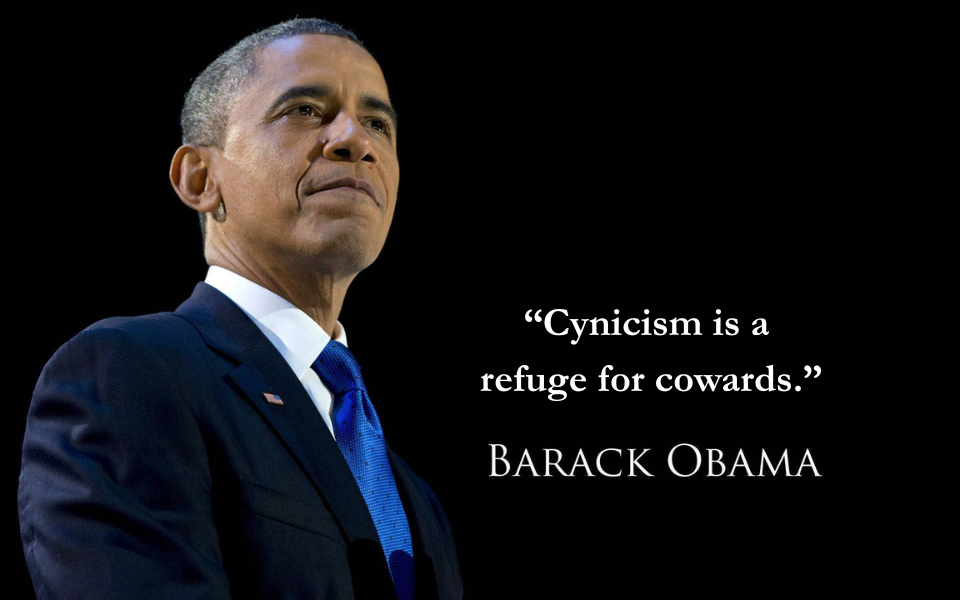
The world doesn’t need more critics sharpening their blades from the sidelines. It needs more courageous souls willing to create, collaborate, and risk sincerity.
So let’s stop confusing derision with discernment. Being clever at pointing out what’s imperfect is easy. Being wise enough to build something better—that’s rare.
“Criticism is a sign of intelligence,” you say?
That’s an idea worth shredding.

Subscribe to the Newsletter
Join Max J Miller Blog and receive new online content directly in your inbox.
Recommended for Your Journey
Discover more inspiring reads that support your journey toward growth, purpose, and emotional well-being.
[017] – Escaping the Self-Help Trap
- Max J Miller
[010] – What Am I Doing Here?
- Max J Miller
[025] Agency: The Art of Acting with Courage in Our Third Act
- Max J Miller

[002] – The Surprising Seed of Wisdom
- Max J Miller

[021] – When FOMO Saved My Life
- Max J Miller
[035] Standing Outside the Window: When Spiritual Love Turns Hollow
- Max J Miller